Snap has shared insight into its recent AR developer bootcamp, where it brought together some of AR’s top talents to discuss the latest innovations and updates.
As explained by Snap: “Last month, we welcomed 45 of our most active Spectacles developers to Snap Inc.’s Santa Monica headquarters for a full day with the engineering teams building the platform. Over the past year, the developers building on Spectacles have shipped some of the most ambitious AR experiences we’ve ever seen, and they’ve done it together: trading ideas in our Discord, answering each other’s questions on Reddit, and pushing each other forward through Community Challenges.”
Snap’s developer bootcamp gave these creators an opportunity to come together in person, with participants from countries including the U.S., Zambia, Sweden and Belgium attending the event and discussing the latest AR innovations and opportunities.
The hope is that these collaborative events will help Snap continue to lead the way on AR tech, and develop more unique use cases for Snap’s AR Specs device, as the company looks to build towards a consumer launch.
“For many of the developers in the room, the Bootcamp was the first time meeting peers they’d known online for years,” Snap said. “Watching them swap projects and trade ideas about what’s possible on Spectacles, and soon Specs, was a reminder of how far this community has come and how much further we can go when we bring it together in person.”
Snap has long been a leader in AR innovation, with Snapchat’s in-app Lenses prompting various viral trends based on its advancing AR tech.
And with Snap set to release its AR Specs to the world later this year, the company is steadily ramping up its hype machine for the device, releasing various updates about the progress of its AR development and the expanding potential of digital overlays.
Though it remains to be seen whether Snap’s AR device will actually be a success.
A key challenge for Snap is that Meta’s AI glasses have already stolen at least some of its thunder, because while Meta’s device doesn’t come with AR overlays as yet, its Display model does include a heads-up display, built into stylish glasses for everyday wear.
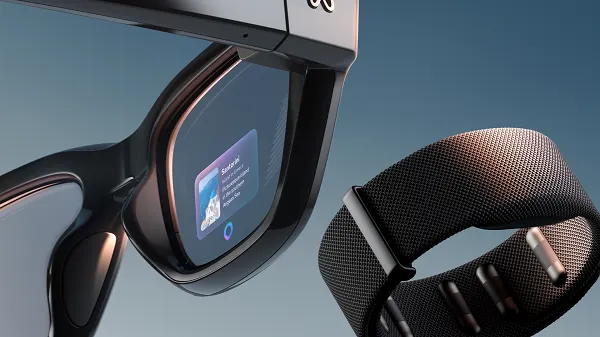
Compare that to Snap’s chunky Specs, which still look more like goggles than sunglasses.

Are people really going to want to wear these as they go about their day-to-day life?
There are also questions around the technical capacity of Specs, as compared to Meta’s AI glasses and Apple’s evolving glasses prototypes.
All in all, Snap will seemingly be facing an uphill battle to make its AR Specs a key connective device. Meanwhile, sales of Meta’s AI glasses continue to soar as the company rides the AI hype train with its built-in chatbot features.
It’s still possible, of course, that Snap will be able to come up with innovative, unique experiences that can draw a crowd, which has long been the hallmark of its AR initiatives in the app.
But skepticism will linger around Snap’s project until it has actually launched, which is slated to happen sometime this year.
Maybe, through the pooled knowledge of these AR developers, Snap will be able to come up with more unique, valuable use cases for the device.