Recently, YouTube officially announced the launch of a new feature: creators can actively choose to share their channel and audience data with brands to obtain more cooperation and monetization opportunities. This change indicates that YouTube is accelerating the construction of a triangular win-win ecosystem of "creators-brands-audiences".
For content creators who want to increase their income and expand brand cooperation, this is definitely an important update that cannot be ignored. So what does this feature mean? What benefits can ordinary creators get from it? And how to enable and use this feature? This article will explain it to you one by one.

What is YouTube's data sharing feature?
This feature is a new creator tool launched by YouTube, simply put, this is a data visibility permission setting that a creator voluntarily enables, with the aim of making it easier for brands to understand the value of your channel and thereby reach cooperation.
When you turn on this feature, YouTube will share some of the following data with verified brands or agencies:
Your channel subscriptions, views, and growth trends
Audience profile (age, gender, region, areas of interest)
Interaction data (like rate, number of comments, activity, etc.)
Channel positioning and content tags (such as "technology", "beauty", "education", etc.)
Performance data of Shorts and long videos
This information will be available to brands through the Creator Partnerships Hub and will not be publicly displayed on the channel homepage.
The key point is: it is completely voluntary and can be turned off at any time.
The purpose of this feature is to help brands find suitable creator partners more accurately, improve the efficiency of business cooperation, and also expand income sources for creators.
The actual benefits of this feature for creators
According to YouTube's official statement:
"We're launching a new feature that allows you to share your channel and viewer data, making you more discoverable to advertisers and brands and leading to higher-yielding advertising, brand partnerships and affiliate marketing opportunities."
Specific advantages include:
1. The chance of being discovered by brands is greatly increased.
When brands choose to cooperate with KOLs, they are most concerned about audience portraits, activity, interest tags, etc. If you open up these data, it means that you can "stand out" in the eyes of brands.
2. Increase high-quality cooperation opportunities
YouTube clearly mentioned that after opening up data, it will be easier to obtain the following types of monetization methods:
High-priced brand advertising
Brand customized content cooperation
Shopping commission (Affiliate)
Co-branded products, peripheral authorization, etc.
3. Allow "small channels" to have a chance to stand out.
In the past, cooperation was more inclined towards top influencers, but the data sharing mechanism will encourage brands to choose niche creators who are more in line with the target audience, and precise matching will become a trend.
Practical Tutorial: How do I enable this new feature?
Although this feature is not yet fully available, it can be expected to be integrated into the following interfaces:
YouTube Studio settings panel: A new "Share data with brands" option may be added;
Creator Partnerships Hub: Updated to provide brands with a more transparent creator database;
API Integration: Provide creator discovery capabilities for MCN, KOL marketing companies or SaaS platforms.
You can prepare the settings by following these steps:
1. Open YouTube Studio;
2. Click "Settings" in the left menu;
3. Look for options related to "brand partnerships" or "audience sharing";
4. Turn on data sharing and confirm the type of content you want to display.
Note: You can turn off this feature at any time. YouTube emphasizes that this is a "completely voluntary" setting and the platform will not share your information by default.
How should creators prepare? (Practical suggestions)
1. Optimize channel data structure
Increase audience interaction (comments, likes, social features)
Clarify your channel positioning and target audience
Analyze audience portraits and conduct an audience questionnaire to improve data granularity
2. Build a brand-friendly content matrix
Keep the content style stable to facilitate brand recognition
Try soft placement, such as reviews, unboxing, and experience sharing content
It is recommended to regularly produce a collection of "Brand Cooperation Showcase" videos
3. Create your own brand cooperation page
You can set up a "cooperation contact" entry in the channel profile or community area
Use Notion, Linktree and other tools to display past cooperation cases, contact information, and data highlights
Why does YouTube launch the data sharing function?
Under the competitive pressure from TikTok and Meta, YouTube has always regarded "creators' monetization" as its core advantage and continued to build a more complete creator ecosystem. The data sharing function is part of the upgrade of its "Creator Partnerships Hub".
There are three core purposes:
Help creators and brands quickly match: Brands can accurately screen partners through the creators' real data (such as audience age, gender, geographical distribution, areas of interest, etc.).
Improve the success rate of advertising and joint cooperation: Through data screening, brands can more clearly judge the ROI of advertising and avoid "blind investment".
Expand creators' income sources: not only advertising revenue, but also diversified commercial cooperation such as brand co-branding, commission sharing for product promotion, shopping functions, etc.
Creator Partnerships Hub and new APIs coming soon
This feature update is just part of YouTube's brand collaboration toolchain, and there are more modules coming soon:
Creator Partnerships Hub: Helps brands screen creators more systematically, providing functions such as data comparison, field classification and past cooperation records.
Third-party API interface: allows SaaS platforms and marketing agencies to directly access creator data and improve the efficiency of cooperation and matchmaking.
For creators who are already working in MCN or are preparing to step out of their "personal workshops", these new tools are key resources for evolving from content creators to content IPs.
Conclusion
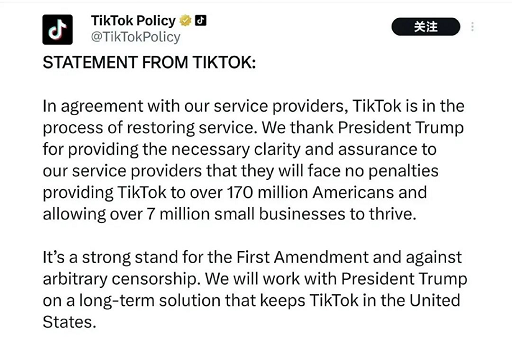
As TikTok still faces uncertainties in overseas policies, YouTube is accelerating its efforts to consolidate its leading position in creator monetization. From advertising revenue sharing and Shorts rewards to the current data sharing and brand cooperation platform, YouTube is trying to build a full-process commercial content ecosystem.
Have you enabled data sharing on your channel? Are you willing to let brands know your audience profile?