Reported by the "Kathmandu Post" on the 13th, Nepal's cabinet meeting approved a decree on the same day, mandating the prohibition of TikTok usage in Nepal. Sharma, Nepal's Minister of Communications and Information Technology, stated that the ministry has directed Internet service providers to cease providing TikTok with internet connectivity. The ban imposed by the government has sparked differing opinions among the Nepali population.
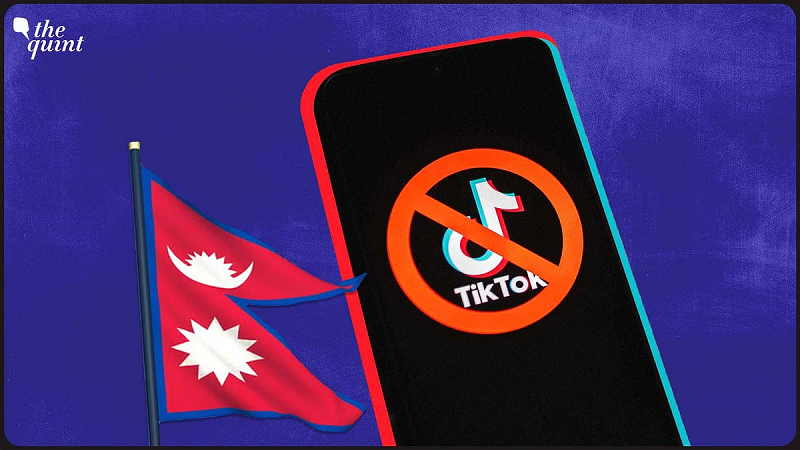
As reported by Nepali media, the Nepalese government recently issued a set of operational guidelines for online social media. The directive outlines 19 types of content deemed inappropriate for online dissemination, compelling social media platforms to censor posts by users to prevent the circulation of such content.
Furthermore, the government mandates that all foreign social media platforms operating in Nepal establish a local contact office to enhance government oversight and control over the dissemination of specific content. Additionally, users on social media platforms in Nepal are required to register using their real names.
The government has set a three-month deadline for social media platforms to align their operations with the new directive. However, a separate ban on TikTok was implemented, citing the "improper use" of the short video app impacting social harmony. The Nepali government has not yet decided on other foreign social media platforms, including X (formerly Twitter) and Facebook, according to official sources reported by The Indian Express.
The ban has raised concerns in Nepal, with Gagan Thapa, secretary-general of the ruling coalition's Nepali Congress Party, expressing apprehension about the strictness of the operational directives, suggesting they might impede freedom of expression. Thapa emphasized the need for regulation to combat social media abuse rather than a complete shutdown. Pradeep Jawali, former foreign minister and senior leader of the Communist Party of Nepal (United Marxist-Leninist), echoed the sentiment, advocating for regulation instead of restriction for inappropriate content on social media.
TikTok is yet to respond to the recent ban, reiterating its stance that such prohibitions are based on misconceptions about the platform.