Online scams have become a growing issue worldwide, especially for older adults. Due to a lack of familiarity with new technology and certain vulnerabilities associated with aging, seniors are often the primary targets of cybercriminals. According to the FBI's Internet Crime Report, internet users aged 60 and above lost a staggering $4.8 billion to scams in 2024 alone. In response, Meta (formerly Facebook) has launched a series of new features to help older users recognize and prevent common online scams. This article will provide an in-depth overview of these new features, offer practical prevention tips, and explain how you can help protect older adults from falling victim to cybercrime.
What Are Meta's New Scam Prevention Features?
Meta has introduced a range of new scam detection and prevention features across its platforms, particularly WhatsApp and Messenger. These tools are designed to help older adults identify potential scams, provide timely warnings, and reduce the likelihood of falling victim to fraudulent activities.
1. WhatsApp Scam Warnings
WhatsApp is one of the most popular messaging platforms globally, particularly among older adults. However, scammers often exploit screen-sharing features to steal sensitive information. To address this, Meta has introduced a new warning system on WhatsApp. When users enable screen sharing with a new contact, the app will display a prompt that warns users about the potential risks associated with this feature. This can help users avoid inadvertently sharing personal information with scammers.
2. Messenger Scam Detection System
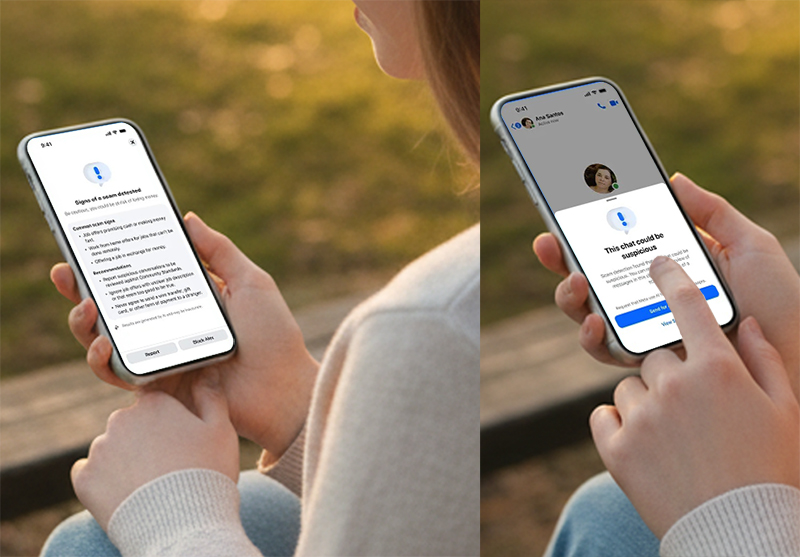
Messenger is another platform that Meta has strengthened with enhanced scam detection capabilities. If a user receives a suspicious message from a new contact, Messenger will automatically alert the user and provide an option to submit recent chat messages for AI-powered scam detection. If the system identifies a potential scam, the user will be notified and given suggestions on how to block or report the suspicious account. This proactive system helps users stay one step ahead of scammers and prevents fraudulent activities before they escalate.
Common Scams Targeting Older Adults
Meta has outlined several common scams that disproportionately affect older users. Here are some of the most prevalent types of online fraud targeting seniors:
Fake Home Renovation and Debt Relief Services
Scammers often create fraudulent websites offering "government benefits" to senior citizens, such as low-cost home renovations or debt relief services. They use online ads to drive traffic to these sites, tricking users into providing personal information.Fraudulent Money Recovery Services
Some scammers impersonate legitimate organizations like the FBI's Internet Crime Complaint Center (IC3), claiming they can help recover funds lost in crypto scams. They operate fake accounts across social media platforms, including Facebook, Instagram, Telegram, and TikTok, to further perpetuate their scam and prey on vulnerable individuals.Fake Customer Service Representatives
Fraudsters sometimes pose as customer service agents for airlines, banks, or other companies. They engage with users in comments or direct messages on official social media posts, offering fake refunds or other fraudulent services. This scam often leads individuals to phishing websites designed to steal sensitive personal data.
How to Help Older Adults Avoid Online Scams
While Meta's new features provide essential protection, it's equally important to educate older adults about the risks of online fraud and how to avoid it. Here are some practical prevention tips you can share with your loved ones to help them stay safe online:
Tip 1: Be Cautious of Unsolicited Calls and Messages
Scammers often use phone calls, emails, or social media messages to initiate contact with potential victims. They may impersonate banks, government agencies, or other trusted organizations to trick older adults into revealing personal details. Advise your loved ones to be cautious of unsolicited communications, especially those requesting sensitive information like passwords or credit card details.
Tip 2: Don't Click on Unknown Links
Warn older adults not to click on links from unknown or suspicious sources. Scammers often send links that lead to phishing websites designed to steal personal data, such as login credentials and financial information. A good practice is to visit websites directly by typing the URL into the browser instead of clicking on links in messages.
Tip 3: Use Strong, Unique Passwords and Enable Two-Factor Authentication
Encourage older adults to use strong, unique passwords for their online accounts and to change them regularly. Additionally, enabling two-factor authentication (2FA) adds an extra layer of protection, ensuring that even if a password is compromised, unauthorized access to the account is still prevented.
Tip 4: Monitor Bank Statements and Social Media Accounts Regularly
Remind older adults to regularly check their bank statements for unauthorized transactions and monitor their social media accounts for unusual activity. If any discrepancies or suspicious actions are noticed, they should report them immediately.
Tip 5: Report Suspicious Activity
Meta provides an easy-to-use reporting system for suspicious accounts and content. If older users encounter any fraudulent activity, they should report it to the platform immediately. This helps Meta take action against scammers and prevent them from targeting others.
Meta Joins the National Elder Fraud Coordination Center (NEFCC)
In addition to its new scam prevention features, Meta has partnered with the National Elder Fraud Coordination Center (NEFCC), a nonprofit organization dedicated to tackling fraud that specifically targets older adults. The NEFCC brings together law enforcement agencies, companies like Amazon, Google, and Microsoft, and other key organizations to address the growing issue of elder fraud. By collaborating with the NEFCC, Meta aims to bolster efforts to protect older adults and combat fraud on both the local and national levels.
Final Thoughts
As online scams become increasingly sophisticated, it's crucial to remain vigilant and proactive in protecting older adults from falling victim to fraud. Meta's new scam detection features are an important step in safeguarding seniors online, but education and awareness are just as vital. By following the tips provided in this article and utilizing the new features available on Meta's platforms, older adults can significantly reduce their risk of falling prey to scammers.
Cybersecurity is everyone's responsibility, and it's essential that we all work together to create a safer online environment for older adults.