Pinterest recently announced the expansion of its "Class Reminders" feature to the UK market, further promoting the practice of digital wellbeing.
This feature isn't just a gentle attempt at social media intervention; it also represents a new exploration of the platform's balance between social responsibility and user experience. This article will provide a comprehensive understanding of Pinterest's new initiative from multiple perspectives, including news analysis, feature details, practical tutorials, educational implications, parental advice, and future trends.
Key highlights of Pinterest's class reminder feature
Pinterest's new feature is mainly aimed at teenage users in school , with the goal of helping them reduce their dependence on mobile phones and social applications during their studies.
Features
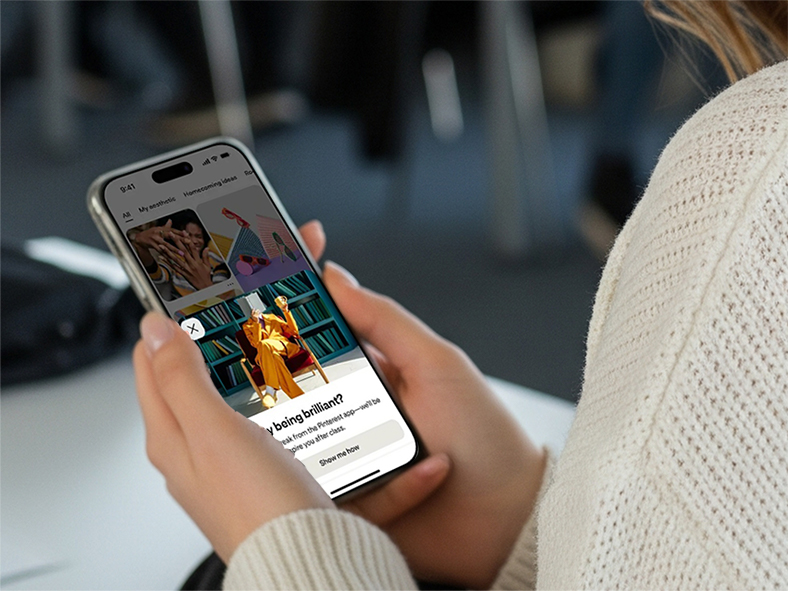
Push reminders : If teenagers open Pinterest during school hours, they will receive a reminder encouraging them to close the app and focus on their studies.
Tone optimization :
"Busy being brilliant?"
"It's time to take a break"
When testing in the United States and Canada, the prompts are too formal, similar to the tone of a teacher or parent.
In the UK version, Pinterest adjusted the language to a lighter, more "age-friendly" style based on user feedback, for example:
Coverage :
Tested in the US and Canada in early 2024 , over 1.3 million students clicked on the reminder within a month.
The expansion will begin in the UK in the 2025 academic year, with plans to gradually expand to more regions around the world.
This shows that Pinterest is not only a platform for inspiration and creativity, but also begins to actively think about how to balance teenagers' usage habits and learning focus .
How to use Pinterest's class reminder function?
Currently, this feature is automatically applied to eligible youth accounts, and users do not need to manually enable it. The specific usage experience is as follows:
When you open Pinterest during class: the app will automatically pop up a reminder.
You can choose to:
Close the application → return to the learning state;
Turn off notifications → Avoid being disturbed by more push notifications.
Available in the United States, Canada, and the United Kingdom (expanding to other countries in the future).
If you or your child's account has enabled this feature, you will automatically experience it during daily use.
Digital health tips for parents and students
In addition to relying on the reminder function provided by Pinterest, parents and students can also try the following methods:
Set up dedicated study time
Turn on Do Not Disturb mode on your device;
Use an alarm or calendar reminder to help you allocate time for study and rest.
Using third-party apps
Productivity tools such as RescueTime and Forest can track application usage time.
Develop a reward mechanism
Only allow yourself to use social media after completing certain learning goals;
Treat entertainment as a reward after learning, not a distraction.
Family Digital Contract
Parents and children agree on the daily internet time limit;
Discuss usage experiences regularly and encourage children to express their true feelings.
Why did Pinterest launch this feature?
1. The problem of excessive time spent on social media
Multiple studies have shown that teenagers spend an average of more than three hours a day on social media . Excessive use can lead to:
Distracted attention and decreased learning efficiency;
Lack of sleep and irregular sleep schedule;
Increased anxiety and dependence.
Pinterest's reminder mechanism targets this trend, attempting to intervene in a "non-coercive, but gentle" way.
2. User feedback-driven improvements
In early testing in North America, teenagers felt the prompts sounded too much like a teacher or parent's admonition and weren't friendly enough. Pinterest promptly adjusted the prompts to a more relaxed tone, more relevant to students' lives, which improved their acceptance. This also demonstrates the value of user-involved design.
3. The embodiment of the platform's social responsibility
Compared to platforms like TikTok and Instagram, Pinterest has always placed greater emphasis on positive content and a healthy atmosphere. This feature expansion further demonstrates the platform's efforts in protecting minors.
Significance for Parents and Students
1. For students: Improve concentration
Reduce "mindless browsing of mobile phones" during class;
Create clearer boundaries between learning and entertainment;
Develop the ability to self-regulate the use of social media.
2. For parents: Adding "digital partners"
No longer completely dependent on parental supervision;
System reminders can replace some "nagging" and reduce family conflicts;
Let parents see the progress of social platforms in educational support.
3. Positive impact on schools and society
Helping schools maintain a focused classroom atmosphere through technology;
Promote healthy Internet culture among young people.
Can Pinterest's approach be expanded?
1. Comparison with other platforms
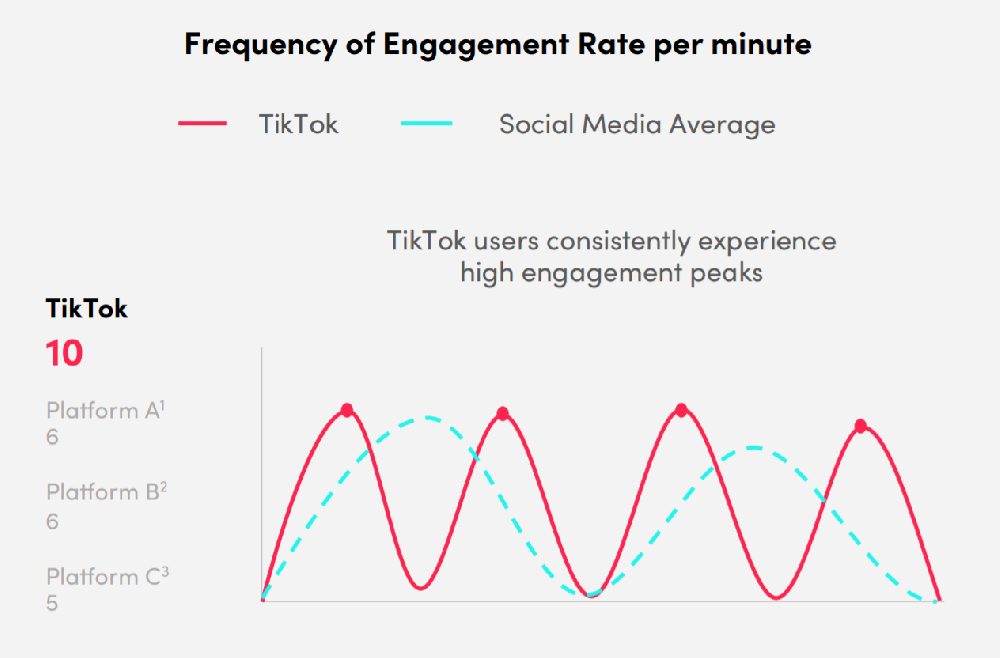
TikTok : It has launched a "usage time management" feature to remind teenagers not to use it for more than 60 minutes a day.
Instagram : Added "break reminders" and "daily limits".
YouTube : Provides "bedtime reminders" and "time statistics".
In comparison, Pinterest's highlight lies in its "scenario-based reminders" - it focuses on "class time periods" rather than simply counting usage time, making it more targeted.
2. Potential Challenges
Will the reminder be ignored? Some students may simply close the reminder and continue using it.
Adaptability to different cultural backgrounds: Language and expression need to be continuously optimized for localization.
Privacy protection issues: How to ensure that the reminder function does not involve excessive data collection is also a focus of parents' attention.
Final Thoughts
Pinterest is expanding its "class reminders" feature in the UK. Although it is a seemingly small change, it could have a positive impact on the learning focus and mental health of millions of young people.
In our digital world, social media is not just a tool for entertainment; it's also a crucial factor influencing education and health. Pinterest's exploration demonstrates new possibilities for integrating technology and education .
In the future, when more platforms join the digital health ecosystem , we may see a more balanced social networking environment, allowing young people to enjoy the convenience of the Internet while maintaining efficient learning and healthy growth.